

Originally published February 16, 2019 · Substantially updated September 2026
This page provides general educational information and should not be considered advice for a particular transaction. A historical Wisconsin REALTORS® Association publication from July 1999 is preserved near the bottom of this page.
Buying or Selling a Wisconsin Condominium
A Wisconsin condominium transaction may involve negotiation over much more than the purchase price. A condo counteroffer can change the closing date, earnest money, financing terms, property included in the sale, or an important contingency.
Inspection results may also lead to additional negotiations after an offer has been accepted. Condominiums served by private or shared wells can raise questions about water testing, well condition, and responsibility for future repairs.
Understanding the purpose of each Wisconsin real estate form can help buyers and sellers ask better questions before making a decision.
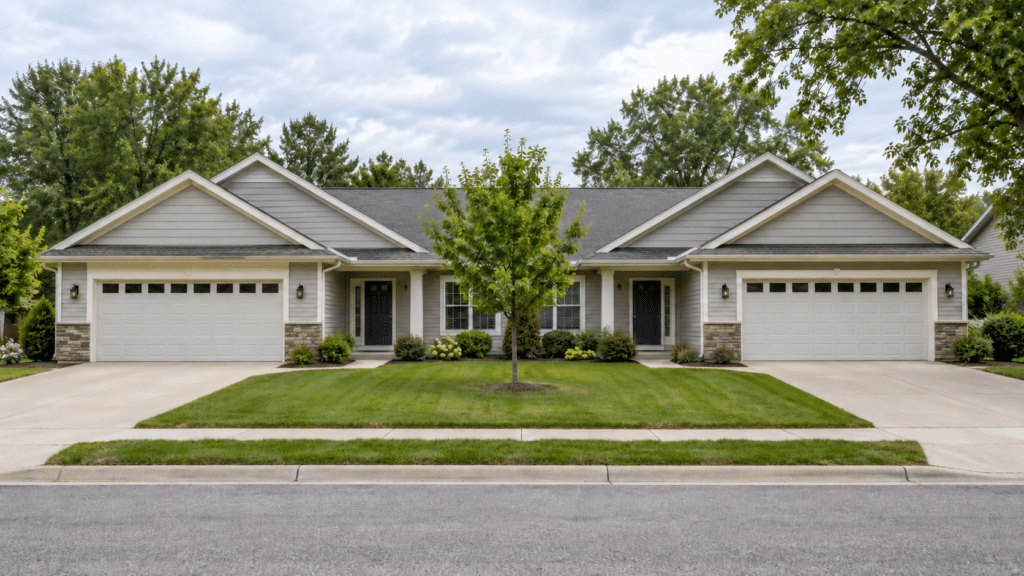
What Can a Wisconsin Condo Counteroffer Change?
A Wisconsin condo counteroffer may propose changes involving:
- Purchase price
- Closing date
- Earnest money
- Financing or appraisal terms
- Inspection provisions
- Personal property included in the sale
- Parking or storage areas
- Occupancy or possession
- Sale-of-buyer-property provisions
- Condominium fees or assessments
- and many other things specific to the location

The strongest offer is not necessarily the one with the highest price. Buyers and sellers should consider how the price, contingencies, deadlines and other terms work together.
What Happens When a Seller Counters an Offer?
The WB-44 Counter-Offer may be used when a buyer or seller proposes different terms before an offer has been accepted.
A counteroffer generally functions as a new proposal. It identifies the terms being changed while incorporating applicable terms from the original offer. Terms contained in an earlier counteroffer should not be assumed to carry forward unless properly included or incorporated into the new counteroffer.
This becomes especially important when negotiations move through several counteroffers. Price, closing date, inspection language and other provisions should be reviewed together each time.
Counter-Offer, Amendment or Notice?
These documents serve different purposes in a Wisconsin real estate transaction.
A WB-44 Counter-Offer may propose changes before an offer has been accepted.
A WB-40 Amendment may be used when both parties are considering an agreed change to an offer that has already been accepted. An amendment might change the price, move the closing date, extend a deadline or describe an agreed solution following an inspection.
A WB-41 Notice may be used when one party is giving notice under an accepted offer and the other party’s agreement is not required.
An amendment and a notice are not interchangeable. The correct document and delivery deadline may materially affect the rights of a buyer or seller.
What Happens After a Wisconsin Condo Inspection?
The inspection contingency in a Wisconsin Residential Condominium Offer to Purchase generally addresses an inspection of the unit and certain limited common elements that may be used only by that unit owner.
A condominium inspection may raise questions involving:
- Heating, cooling, plumbing or electrical systems
- Basement or foundation conditions
- Windows, doors and interior components
- Decks, patios or other limited common elements
- Moisture intrusion or previous repairs
- Components maintained by the unit owner
- Conditions that may involve association responsibility
Responsibility for roofs, siding, foundations and other exterior components may depend upon the condominium declaration and other governing documents. A home inspection does not replace careful review of the condominium disclosure materials.

Notice of Defects Versus a Proposed Amendment
After reviewing an inspection report, a buyer may consider delivering a Notice of Defects under the inspection contingency. Depending upon the offer, this may begin the seller’s right-to-cure process or affect whether the offer becomes null and void.
A buyer who wants to continue with the purchase may instead propose an amendment requesting repairs, a price change or a closing credit.
However, a proposed amendment is not a Notice of Defects and does not satisfy the notice requirement found in the inspection contingency. If the seller does not agree to the amendment, the accepted offer generally remains unchanged. Buyers should also discuss any proposed credit with their lender because financing rules may limit how a credit can be applied.
Deadlines matter. Buyers and sellers should review the actual offer with their agent and seek legal advice when questions involve their contractual rights.
What Is a Multiple Counter-Proposal?
A WB-46 Multiple Counter-Proposal allows a seller to negotiate with more than one prospective buyer.
Buyer approval alone does not create a binding agreement. The seller must still accept the approved proposal and deliver it as required before binding acceptance occurs.
A seller may receive approved proposals from more than one buyer. The seller may then choose which proposal, if any, to accept. Buyers should not assume that approving a multiple counter-proposal guarantees that they will purchase the property.
Private Wells and Wisconsin Real Estate Transactions
Some Wisconsin condominiums, particularly small or rural developments, may be served by a private or shared well.
A home inspection and a private-well inspection are different services. According to the Wisconsin Department of Natural Resources, state law does not automatically require a well inspection or water testing for every property transfer. However, buyers and sellers may negotiate these items, and some lenders may require them.
When a property-transfer inspection evaluates the location, compliance, condition, capacity or performance of a private well and pressure system, it must be performed by a Wisconsin-licensed well driller or pump installer. A home inspector may not hold the licensing needed to provide that evaluation.
Potential subjects for a well-related contingency include (but not limited to):
- Well and pressure-system inspection
- Bacteria, nitrate or arsenic testing
- Water-sample collection and laboratory deadlines
- Standards used to evaluate test results
- Responsibility for corrective work
- Abandoned or unused wells
- Shared-well agreements
- Maintenance and repair costs
For a shared well, buyers may also wish to understand who pays for electricity, testing, maintenance and eventual replacement.

Historical Wisconsin Real Estate Forms Resource
The Wisconsin REALTORS® Association published the Legal Update below in July 1999. It discussed revisions then being made to amendments, notices, counteroffers, multiple counter-proposals, farm forms and vacant-land forms.
The publication is preserved here for its historical and educational value. Real estate forms, laws and recommended practices have changed since 1999. It should be used as an introduction to subjects a buyer or seller may wish to discuss and not as current guidance for a particular transaction.
Historical document below — published July 1999
General Information Only
Every property and transaction is different. Buyers and sellers should discuss their circumstances with their own real estate agent. Wisconsin real estate licensees may provide general explanations of approved forms and negotiation considerations but cannot provide legal advice. Questions involving legal rights, document interpretation or a particular transaction should be directed to a Wisconsin real estate attorney.