
Cameras During Home Showings: What Wisconsin Buyers and Sellers Should Know
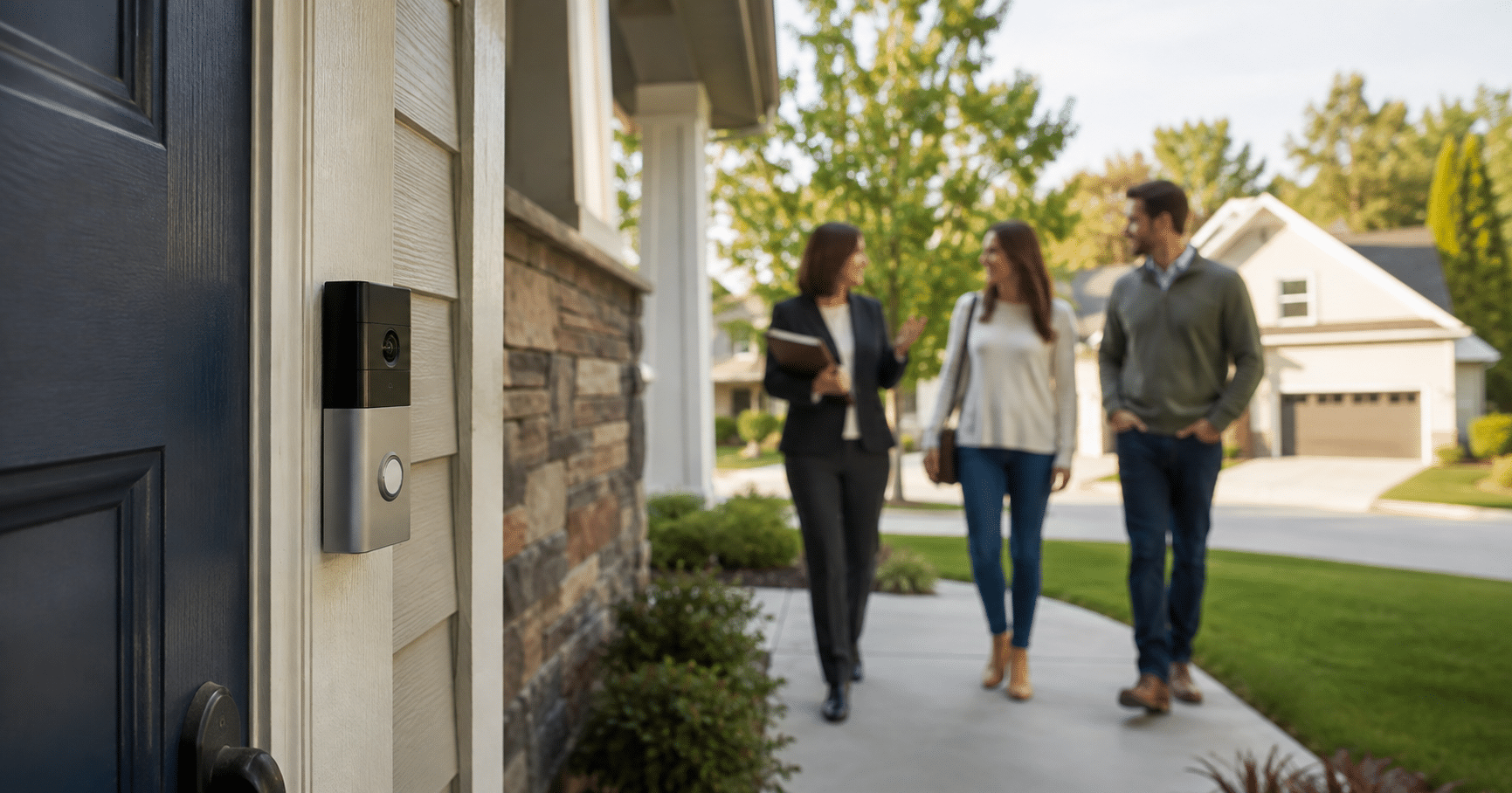
Video doorbells and home security cameras are now common. Some record only when they detect movement. Others may capture video, sound, or both.
That matters when a home is placed on the market.
A prospective buyer may assume a private showing is private. Meanwhile, the seller may simply be using the same security system that protects the home every day. Wisconsin law addresses what sellers may record during a showing, and what they may do with that recording afterward.
What Does Wisconsin Law Allow?
Wisconsin Statute § 995.60 applies to surveillance used during private showings, open houses, and other property viewings connected with an owner’s attempt to sell real estate.
Under the statute, a property owner may use a surveillance device to observe or record someone who is in or on the property for one of these viewings. The definition of a surveillance device includes cameras, audio recorders, video recorders, and other equipment capable of transmitting or recording images or sound.
This means the law can apply to more than an obvious security camera. A video doorbell, baby monitor, smart-home security system, or another connected device may also capture part of a showing.
The statute does not require the seller to post a warning or notify each visitor that surveillance equipment is being used.
Readers can review the law directly here:
Wis. Stat. § 995.60 — Use of surveillance devices in connection with real estate sales

Recording Is Not the Same as Sharing
This may be the most important distinction in the law.
Although a seller may be permitted to observe or record people during a showing, that does not give the seller unlimited permission to use the recording.
The owner generally may not copy, sell, rent, broadcast, post, publish, distribute, disclose, transfer, or otherwise share a recording of someone captured during a property viewing.
Limited exceptions apply when the recording is provided under a court order or at the request of a law-enforcement officer investigating possible criminal activity.
In other words:
Permission to record is not permission to publish.
A clip should not be posted on social media simply because a visitor’s words or actions were funny, surprising, or critical of the home. Improperly sharing a recording may result in a forfeiture of up to $500.
The statute also clearly prohibits using a surveillance device in a bathroom or washroom.

What Wisconsin Home Sellers Should Know
Sellers should understand how their security equipment operates before showings begin.
Some systems record continuously. Others activate when they detect motion. Certain cameras also capture sound, even when the owner thinks of them primarily as video devices.
A seller should consider:
Which devices will remain active during showings
Whether the devices capture audio, video, or both
Where recordings are stored
Who has access to those recordings
Whether any camera is positioned in a prohibited location
How recordings will be protected from improper sharing
Sellers should also resist the temptation to circulate a recording among friends or post it online. The fact that a recording was lawfully created does not necessarily mean it may lawfully be shared.
Information learned through surveillance should never be used in a way that violates fair housing laws. Offers should be considered using lawful, transaction-related factors—not assumptions about a buyer’s personal characteristics.
Sellers with specific questions about their equipment or intended use should speak with their listing broker or an attorney.
What Wisconsin Homebuyers Should Know
Buyers and their agents should assume that cameras or microphones may be operating during a showing, even when no equipment is immediately visible.
This does not mean buyers cannot react naturally or ask questions. However, sensitive conversations should wait until everyone has left the property and moved beyond the possible range of exterior cameras and doorbells.
Buyers may unintentionally weaken their negotiating position by making comments such as:
“We have to get this house.”
“I would pay more than the asking price.”
“We need to move by the end of the month.”
“This is much better than everything else we have seen.”
“We can go another $15,000 if necessary.”
The opposite can also create problems. Harsh criticism made within earshot of the seller’s equipment may make later negotiations more uncomfortable than necessary.
A simple approach works best:
Tour the home while you are there. Discuss negotiating strategy after you are safely away from the property.
That includes waiting until you are beyond the likely listening range of a video doorbell. The front porch may not be the private place it appears to be.
Buyers should never unplug, cover, move, or interfere with a seller’s surveillance equipment.

A Practical Issue for Real Estate Agents
Real estate agents also need to remain aware of possible surveillance.
An agent may be discussing pricing, inspection concerns, offer terms, or a buyer’s negotiating limits. Those conversations could contain confidential information that should not reach the seller.
I believe it is sensible to remind buyers that surveillance may be present without making the showing feel uncomfortable. The purpose is not to make buyers suspicious. It is to protect their private negotiating position in a home filled with increasingly common technology.
On the listing side, sellers should understand both their right to monitor their property and the legal limits placed on recordings.
Awareness Protects Both Sides
Security cameras and smart doorbells are ordinary features in many Wisconsin homes. Their presence does not necessarily mean a seller is intentionally listening to every conversation. However, buyers should recognize that their comments may be captured.
At the same time, sellers should recognize that the ability to record a showing does not create an unrestricted right to share or publish what was recorded.
A little awareness can protect the buyer’s negotiating position, the seller’s property, and the privacy interests of everyone involved.
This article provides general information about Wisconsin real estate and surveillance law. The information is considered reliable as of the publication date but is not legal advice. Laws, interpretations, technology, and industry practices may change. Wisconsin buyers and sellers should discuss surveillance during showings with their real estate agent and consult a Wisconsin-licensed attorney when advice about a specific legal situation is needed.
Additional reference: Wisconsin REALTORS® Association — “Action! Are You Ready for Your Close-up?”

Scott Roh
920-707-0122
Wisconsin licensed real estate agent since 1998
First Weber, Inc
Wisconsin Condo Report: Statewide and Local Market Updates
Updated every six months with condominium sales and market trends.
